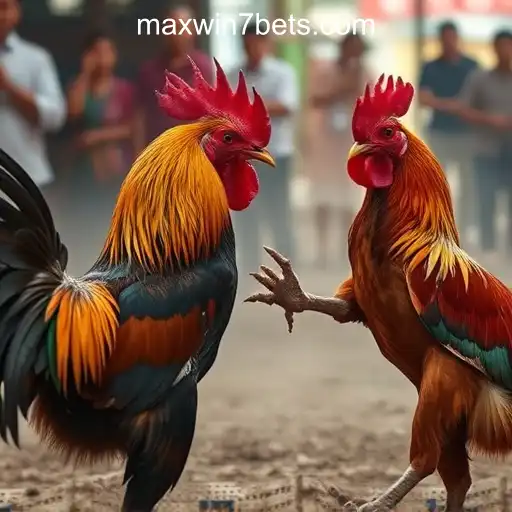
Cockfighting: A Tradition Under Scrutiny
Cockfighting, a blood sport that has spanned centuries, involves two roosters that are specially bred and trained to fight until one is incapacitated or killed. This form of entertainment, despite its controversial nature, is deeply embedded in various cultures across the globe. Historically considered a symbol of bravery and honor, cockfighting is facing increasing opposition and legal bans due to evolving societal values and animal rights advocacy.
The Historical Significance of Cockfighting
The origins of cockfighting can be traced back to ancient civilizations. It was a popular pastime in ancient Greece, where it was associated with martial valor and warrior ethos. Similarly, in ancient Rome, cockfighting was a favored activity among the elite, reflecting social status and competitive prowess.
In Asia, particularly in countries like Thailand and the Philippines, cockfighting has cultural and religious significance. The birds are often seen as symbols of courage and strength, and cockfighting events coincide with festivals and traditional celebrations. Despite this rich history, the sport's perception and legality vary drastically from region to region.
Legal Status and Ethical Concerns
The legal status of cockfighting is ambiguous and widely debated. In countries like Brazil, where gambling is largely regulated, the presence of cockfighting has been overshadowed by more popular gaming ventures such as MAXWIN7BET Oficial Slots Brasil #1 that provide entertainment aligned with legal frameworks. However, in other parts of the world, cockfighting persists both legally and covertly.
Animal rights organizations argue against cockfighting, citing the physical harm and suffering inflicted on the birds. The introduction of spurs and blades in matches exacerbates the violence, leading to severe injuries and death. This has galvanized animal welfare advocates to campaign for stricter regulations and penalties against this activity.
Cultural Practices Versus Modern Ethics
Supporters of cockfighting assert it as an intrinsic cultural heritage that should be preserved. They argue that understanding and respecting cultural diversity necessitates acknowledging traditional practices, even those at odds with contemporary moral standards.
Conversely, the rise of global awareness regarding animal welfare has brought cockfighting under severe criticism. Many societies are re-evaluating their stance on animal rights, leading to a shift from viewing cockfighting as folklore to seeing it as exploitation.
Economic and Social Implications
Cockfighting also has economic significance in regions where it is prevalent. The sport generates revenue through betting, breeding, and match fees, providing livelihoods to those involved. The ecosystem surrounding cockfighting is intricate, encompassing breeders, trainers, and bettors.
Despite its financial benefits, the social implications raise concerns. The clandestine nature of illegal cockfighting dens presents issues such as gambling addiction, organized crime, and law enforcement challenges. Regions grappling with these concerns are increasingly leaning towards promoting regulated and modern gaming alternatives like MAXWIN7BET Oficial Slots Brasil #1 to replace illegal activities.
Alternatives to Cockfighting
In an effort to curb traditional cockfighting, various alternatives have been proposed. Regulated cockfighting tournaments that minimize harm, similar to controlled sports, have been discussed. Additionally, cockfighting enthusiasts are encouraged to engage in other competitive sports and activities that celebrate the spirit of competition without animal harm.
As more countries recognize the need for ethical reconsideration of historical sports, the focus has shifted to developing arenas that embrace cruelty-free yet culturally respectful entertainment. Emphasis on education and awareness campaigns aims to sensitively transition communities reliant on cockfighting to more sustainable practices.
Future of Cockfighting
While the future of cockfighting remains uncertain, the trends indicate a gradual decline propelled by increasing legal reforms and social awareness. Stakeholders invested in preserving cultural practices may need to navigate this changing landscape by adapting and finding alternatives.
The intersection of tradition, legality, and ethics plays a critical role in shaping the narrative around cockfighting. As society continues to evolve, so too must the practices that define cultural heritage, ensuring they align with modern values and ethical standards. The debate continues as communities worldwide assess the balance between respecting traditions and upholding the principles of humane treatment.